
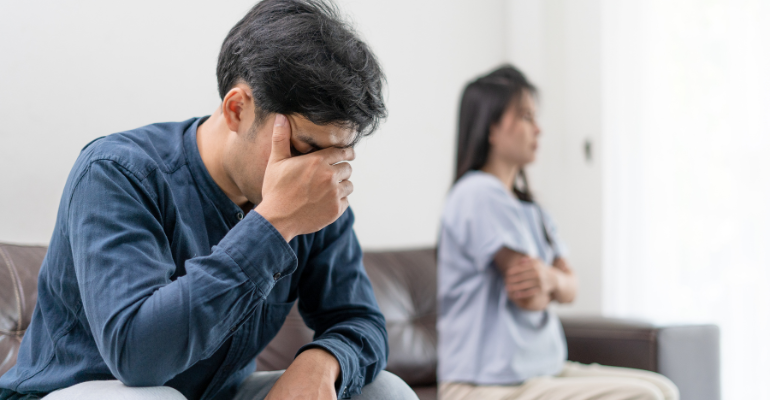
Low libido is a noticeable decrease in sexual interest or thoughts compared to what a man previously experienced. It is a vital indicator of overall health and should never be ignored.
🔍 Understanding the Basics
It is crucial to distinguish between two conditions that are often confused:
Low Libido: A lack of “drive” or interest in sexual activity.
Erectile Dysfunction (ED): A physical inability to achieve or maintain an erection.
📌 Note: While they are different, they are closely linked. Chronic ED often leads to low libido due to psychological avoidance.
🧬 What Causes Low Libido?
The causes are usually multifactorial, involving a mix of biology and lifestyle.
1. Hormonal Imbalances
Hormones act as the “engine” for desire. Common issues include:
Low Testosterone: The most common cause. Symptoms include fatigue, low energy, and poor concentration.
Thyroid Disorders: Overactive or underactive thyroid.
Elevated Prolactin: High levels can directly suppress sexual drive.
2. Psychological Factors
Chronic stress and life pressures.
Depression and anxiety.
Marital or emotional relationship conflicts.
3. Organic Causes (The ED Connection)
Many chronic conditions (Diabetes, Heart Disease, Obesity) don’t kill desire directly. Instead, they cause ED, which leads to:
Loss of self-confidence.
Fear of Failure: Avoiding intimacy to prevent embarrassment.
Gradual Decline: Desire fades because the person begins to associate sex with stress rather than pleasure.
4. Medications & Lifestyle
Drugs: Certain antidepressants and blood pressure medications.
Habits: Smoking, physical inactivity, and lack of sleep.
❓ Is it a Loss of Masculinity?
No. Low libido is a medical condition, not a reflection of your virility or identity. It is a treatable health concern, much like any other physical ailment.
🩺 How is it Diagnosed?
A proper diagnosis is more than just a blood test. It involves:
Clinical Evaluation: A detailed medical and sexual history.
Dual Assessment: Evaluating both libido and erectile function together.
Laboratory Tests: Checking hormone levels and metabolic health.
💊 Treatment Options
| Treatment Category | Approach |
| Hormonal Therapy | Testosterone replacement or stimulators to restore natural levels. |
| ED Treatment | Resolving erection issues to restore confidence and desire. |
| Lifestyle Changes | Weight loss, regular exercise, and improved sleep quality. |
| Psychological Support | Stress reduction and improving communication with your partner. |
🌿 A Note on Supplements
Herbs like Tongkat Ali and Ginseng may offer adjunctive benefits. However:
They should be used under medical supervision.
They are not replacements for primary medical treatments.
💡 Important Advice
Don’t wait: Early evaluation leads to much better outcomes.
Avoid “Quick Fixes”: Stay away from unreliable online sources or self-medication.
Age is not an excuse: Don’t assume it’s just a “normal part of aging” that cannot be treated.
Summary
Low libido is a common, multifactorial condition that often improves significantly once the underlying hormonal or physical cause is addressed. Consulting a specialist is the first step toward restoring your confidence and a healthy intimate life.